
The Impact of Deepfake Technology on Cybersecurity
 By
Hannah Bennett
·
2 minute read
By
Hannah Bennett
·
2 minute read
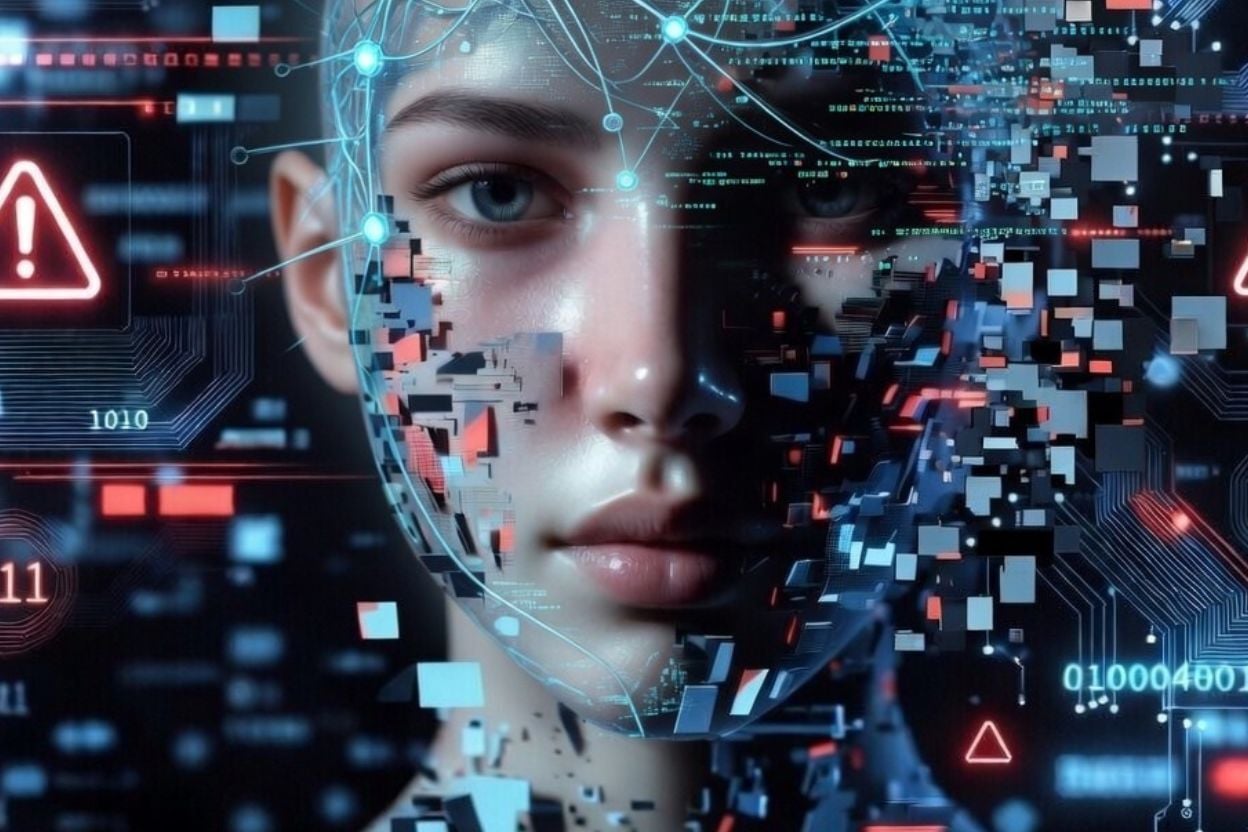
Deepfake cybersecurity risks are becoming a growing concern as artificial intelligence enables the creation of highly realistic synthetic audio, video, and images. While deepfake technology has legitimate applications in media and entertainment, it is increasingly being used in cyber attacks, fraud schemes, and social engineering campaigns.
Organizations must understand how deepfakes can be weaponized to manipulate trust, impersonate individuals, and bypass traditional verification methods.
What Is Deepfake Technology?
Deepfakes are AI-generated or AI-manipulated media designed to imitate real people, voices, or actions. Using machine learning techniques, attackers can create convincing fake videos, audio recordings, or images that appear authentic.
This technology enables cybercriminals to conduct highly sophisticated deception campaigns.
Why Deepfakes Create Cybersecurity Risks
Deepfake attacks exploit human trust and identity verification systems. Several factors increase their effectiveness:
- High realism of AI-generated content
- Ability to impersonate executives or trusted individuals
- Use in phishing and social engineering attacks
- Difficulty verifying authenticity in real time
These risks can lead to financial fraud, data exposure, and reputational damage.
Common Deepfake Threat Scenarios
Business Email and Voice Impersonation
Attackers may use deepfake audio or video to impersonate executives and instruct employees to transfer funds or disclose sensitive information.
These attacks are particularly dangerous because they exploit authority and urgency.
Identity Verification Bypass
Deepfake technology can potentially bypass biometric verification systems by simulating facial movements or voice patterns.
This creates new challenges for identity-based security controls.
How Organizations Can Reduce Deepfake Risks
Organizations can strengthen defenses against deepfake-related threats by implementing several best practices:
- Use multi-layered identity verification methods
- Train employees to recognize social engineering tactics
- Monitor for unusual communication behavior
- Implement strong approval workflows for financial requests
- Apply behavioral analytics to detect anomalies
These measures help reduce the likelihood of successful impersonation attacks.
The Role of Behavioral Monitoring and AI Detection
Behavioral analytics can help identify suspicious communication patterns, abnormal account activity, or unusual transaction requests associated with deepfake attacks.
AI-driven detection tools are also emerging to analyze media authenticity and identify signs of synthetic manipulation.
Did you know?
Some deepfake attacks have successfully impersonated executives using synthetic voice technology to authorize fraudulent financial transactions.
Conclusion
Deepfake cybersecurity risks are reshaping how organizations approach identity verification and fraud prevention. As synthetic media becomes more convincing, businesses must combine employee awareness, behavioral monitoring, and advanced detection technologies to reduce exposure to manipulation-based attacks.
With BitLyft AIR, organizations can leverage AI-driven behavioral analytics to detect suspicious activity, identify impersonation attempts, and strengthen defenses against evolving deepfake-enabled threats.
FAQs
What is a deepfake in cybersecurity?
A deepfake is AI-generated media used to impersonate individuals through fake audio, video, or images.
Why are deepfakes dangerous?
They can be used for fraud, impersonation, phishing, and bypassing identity verification systems.
Can deepfakes bypass biometric authentication?
Some advanced deepfakes may attempt to imitate facial or voice patterns used in biometric systems.
How can organizations defend against deepfake attacks?
By implementing multi-factor verification, employee training, and behavioral monitoring.
Are AI tools available to detect deepfakes?
Yes. Emerging AI detection technologies analyze media authenticity and identify manipulation patterns.